Executive Summary
Sleep hygiene refers to a set of evidence-based behavioral and environmental practices designed to promote consistent, high-quality sleep and manage mild to moderate insomnia. These principles are a foundational component of sleep medicine and are central to non-pharmacological interventions like Cognitive Behavioral Therapy for Insomnia (CBT-I). The core strategy involves regulating the body’s circadian rhythm and reducing physiological and cognitive arousal before sleep through the systematic control of external cues (light, temperature, sound) and internal factors (stimulants, stress).
Key Data Points
- Circadian Rhythm Regulation: Maintaining a consistent sleep-wake schedule, even on non-work days, is the most critical factor in anchoring the body’s endogenous circadian clock, which regulates the timing of sleepiness and wakefulness.
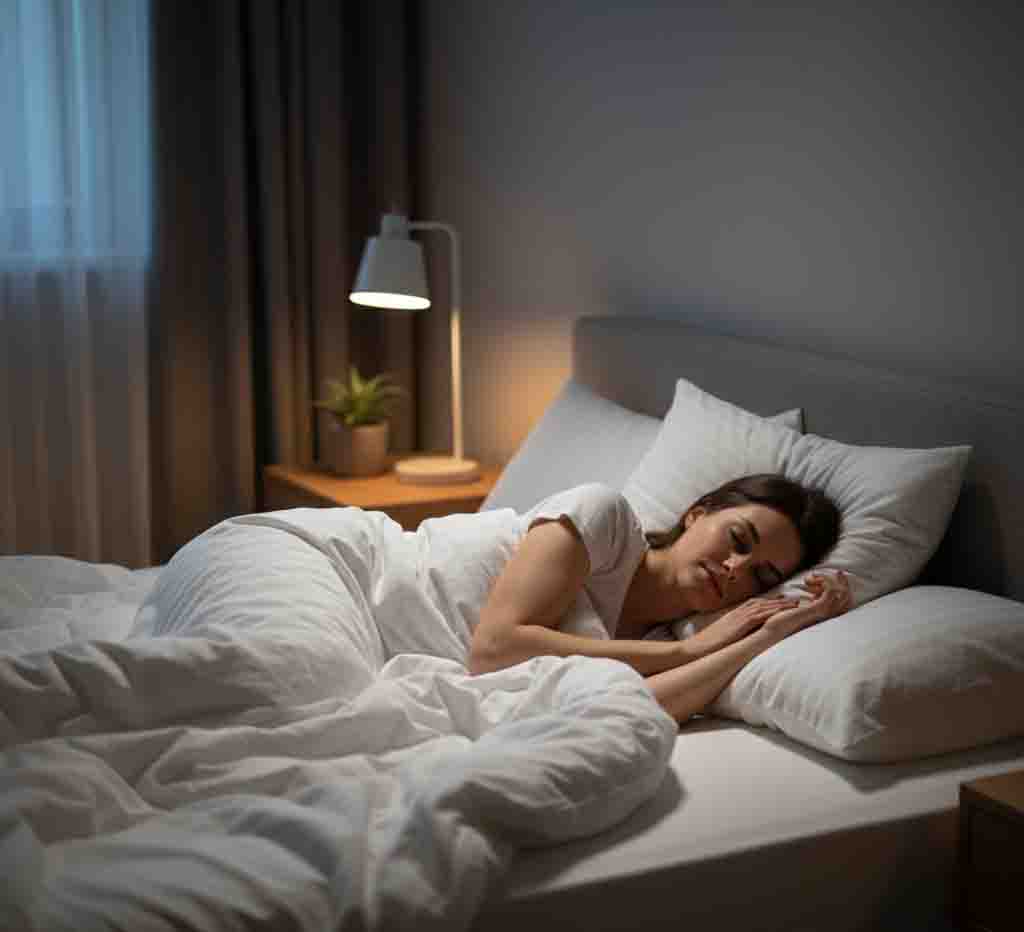
- Environmental Control: A sleep-conducive environment is characterized by darkness, quiet, and a cool ambient temperature (approx. 18°C / 65°F). Darkness is essential for optimal secretion of melatonin, the primary hormone that facilitates sleep onset.
- Pre-Sleep Arousal Reduction: Establishing a consistent, relaxing “wind-down” routine in the hour before bed helps to down-regulate the sympathetic nervous system and reduce cognitive arousal, signaling to the body that it is time to prepare for sleep.
- Limiting Blue Light Exposure: Exposure to blue-spectrum light from electronic devices in the evening can suppress melatonin production and delay sleep onset. Best practice recommends ceasing screen use at least 30-60 minutes before bedtime.
- Management of Somatic Factors: The consumption of stimulants like caffeine and nicotine, as well as alcohol and large meals close to bedtime, can disrupt sleep architecture and should be avoided. Vigorous physical activity should also be completed several hours before sleep.
Research Methodology / Context
The principles of sleep hygiene are derived from decades of research in sleep medicine and chronobiology. The efficacy of these interventions is established through clinical trials, often as a component of multi-faceted CBT-I programs. Methodologies include objective sleep measurement via polysomnography and actigraphy, as well as subjective reporting through validated sleep diaries and questionnaires. The scientific context is rooted in understanding how external stimuli (zeitgebers) and behaviors directly influence the neurobiology of the sleep-wake cycle.
Clinical Implications
- First-Line Non-Pharmacological Intervention: Sleep hygiene education is a cornerstone of the initial management of insomnia and is recommended as a first-line intervention by major clinical practice guidelines before or alongside pharmacotherapy.
- Component of Cognitive Behavioral Therapy for Insomnia (CBT-I): While sleep hygiene alone may be insufficient for chronic insomnia, it is an essential component of the more comprehensive and effective CBT-I protocol.
- Empowers Patient Self-Management: It provides patients with a set of actionable, low-risk strategies to improve their sleep, fostering a sense of control and reducing reliance on hypnotic medications.
- Broad Applicability in Primary Care: These principles can be easily integrated into routine patient counseling in primary care settings to address common sleep complaints and promote preventative health.