Executive Summary
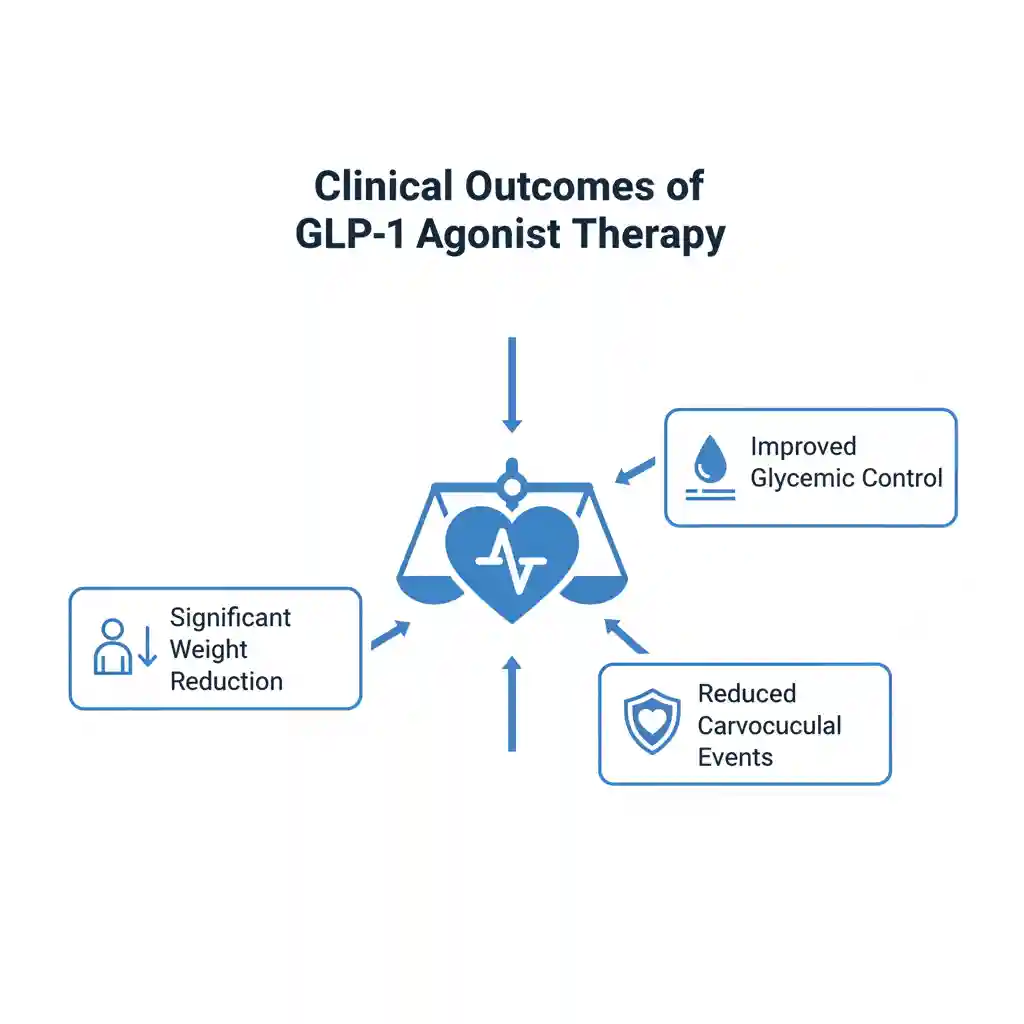
Glucagon-like peptide-1 (GLP-1) receptor agonists, a class of incretin mimetics originally developed for the management of type 2 diabetes, are now at the forefront of a paradigm shift in the treatment of cardiometabolic disease. Their potent effects on glycemic control are complemented by significant weight reduction and proven cardiovascular benefits. This has led to their expanding indications for obesity and cardiovascular risk reduction, independent of diabetes status, establishing them as a cornerstone therapy for a broad spectrum of metabolic disorders.
Key Data Points
- Significant Weight Reduction: Large-scale clinical trials have demonstrated that newer GLP-1 receptor agonists can lead to a mean body weight reduction of 15% or more in individuals with obesity.
- Cardiovascular Risk Reduction: In high-risk patient populations, treatment with certain GLP-1 receptor agonists has been shown to reduce the risk of major adverse cardiovascular events (MACE) by approximately 20%.
- Robust Glycemic Control: These agents typically lower HbA1c levels by 1.0-2.0% in patients with type 2 diabetes by enhancing glucose-dependent insulin secretion and suppressing glucagon release.
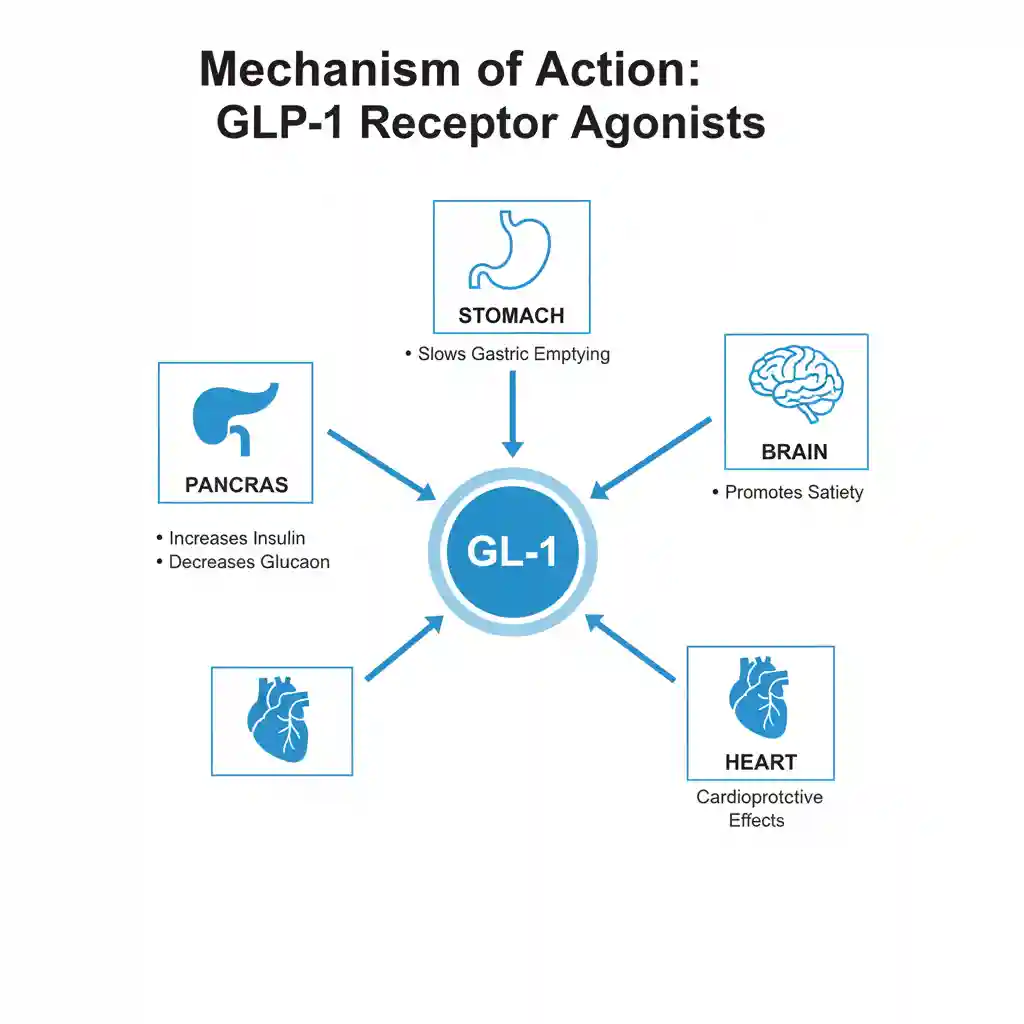
- Multi-faceted Mechanism of Action: Their therapeutic effects are driven by multiple mechanisms, including slowed gastric emptying, promotion of satiety via central nervous system pathways, and direct effects on the cardiovascular system.
Research Methodology / Context
The evidence supporting the efficacy and safety of GLP-1 receptor agonists is primarily derived from large-scale, multicenter, randomized, double-blind, placebo-controlled clinical trials. These studies, often referred to as Cardiovascular Outcome Trials (CVOTs), are designed to assess the impact of these agents on primary endpoints such as the incidence of MACE (a composite of non-fatal myocardial infarction, non-fatal stroke, and cardiovascular death). The scientific context is a shift from a purely glucocentric approach to diabetes management to a more holistic strategy focused on comprehensive cardiometabolic risk reduction, including weight, blood pressure, and cardiovascular outcomes.
Clinical Implications
- Shift in Clinical Practice Guidelines: Major medical associations are updating treatment guidelines to recommend the use of GLP-1 receptor agonists earlier in the treatment algorithm for type 2 diabetes, and as a first-line pharmacotherapy for obesity in eligible patients.
- New Standard of Care in Medical Weight Management: The profound efficacy of these agents has established a new standard for the pharmacological management of obesity, offering a viable and highly effective alternative or adjunct to bariatric surgery.
- Expanding Areas of Research: Ongoing clinical trials are investigating the potential benefits of GLP-1 receptor agonists in other related conditions, including metabolic dysfunction-associated steatohepatitis (MASH), chronic kidney disease, and neurodegenerative disorders.
- Challenges in Access and Adherence: The high cost of these medications and issues with insurance coverage present significant barriers to patient access. Managing the common gastrointestinal side effects is also a key clinical consideration for ensuring long-term adherence.