Executive Summary
Sleep is a highly conserved and complex neurobiological process that is critical for maintaining physiological and psychological homeostasis. Far from being a passive state of rest, it is an active period characterized by intricate changes in brain activity, hormone secretion, and cellular repair. Adequate sleep, in both quantity and quality, is indispensable for a wide range of functions, including neural network consolidation, immune system potentiation, and metabolic regulation. Chronic sleep deprivation is recognized as a significant risk factor for numerous adverse health outcomes, spanning from cognitive impairment to chronic disease.
Key Data Points
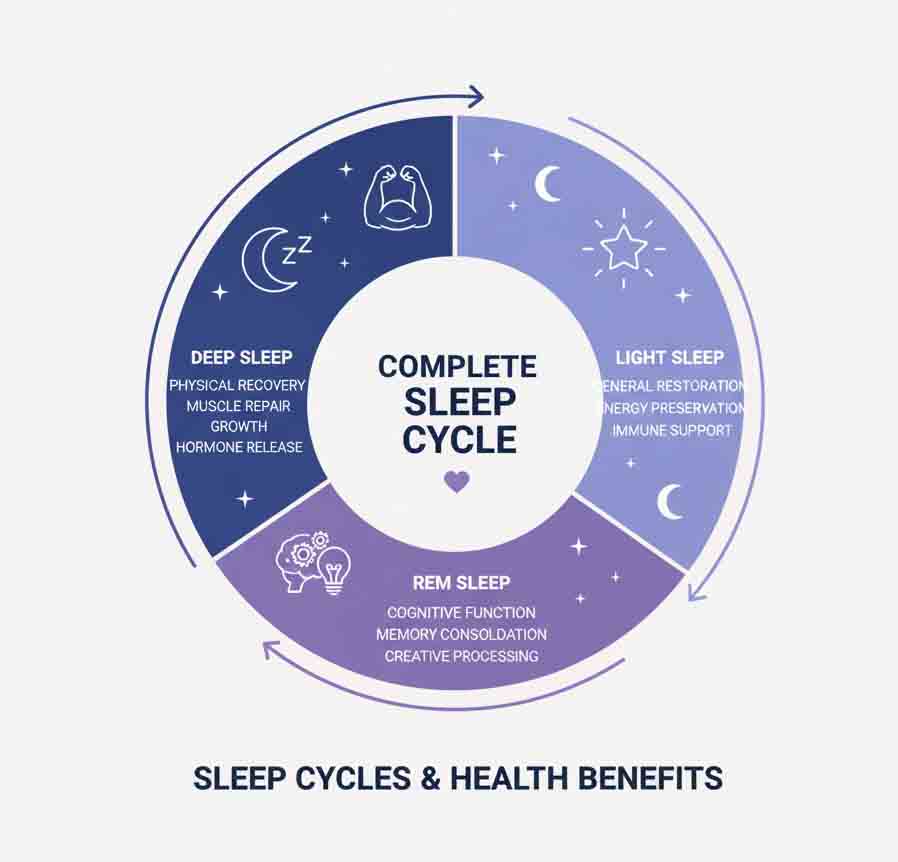
- Cognitive Consolidation and Performance: During sleep, particularly slow-wave and REM sleep, the brain actively processes and consolidates memories. Sufficient sleep is essential for optimal learning, problem-solving, and maintaining concentration and executive function during wakefulness.
- Emotional and Neurobehavioral Regulation: Sleep plays a critical role in regulating the activity of the limbic system, including the amygdala. Sleep deprivation is strongly linked to emotional dysregulation, increased stress reactivity, and a higher risk for mood disorders.
- Immune System Potentiation: The sleep state is associated with a pro-inflammatory environment that enhances immune memory and response. Sleep supports the production of cytokines and the trafficking of T-cells, and sleep deprivation can impair both innate and adaptive immunity.
- Metabolic and Endocrine Homeostasis: Sleep is a key regulator of metabolic health. It influences glucose metabolism, insulin sensitivity, and the secretion of appetite-regulating hormones such as leptin and ghrelin. Insufficient sleep is a known risk factor for obesity and type 2 diabetes.
- Cardiovascular Health: During non-REM sleep, there is a natural dip in heart rate and blood pressure, which reduces strain on the cardiovascular system. Chronic sleep deprivation is associated with an increased risk of hypertension and cardiovascular disease.
- Cellular Repair and Physical Recovery: The release of growth hormone peaks during deep sleep, facilitating the repair of tissues, including muscle, and supporting other cellular restoration processes throughout the body.
Research Methodology / Context
The scientific understanding of sleep is primarily derived from sleep medicine and neuroscience research. The gold standard for measuring sleep architecture is laboratory-based polysomnography (PSG), which records brain waves (EEG), eye movements, and muscle activity. Other methods include actigraphy for ambulatory monitoring and large-scale epidemiological studies that correlate self-reported sleep patterns with long-term health outcomes. The scientific context is that sleep is a fundamental pillar of health, with a regulatory role on par with nutrition and physical activity.
Clinical Implications
- Integral to Patient Assessment: Assessment of sleep quality and duration is a critical component of a comprehensive medical evaluation, as sleep disturbances can be a symptom of, or a contributor to, a wide range of medical and psychiatric conditions.
- Primary Target for Non-Pharmacological Intervention: Sleep hygiene education and Cognitive Behavioral Therapy for Insomnia (CBT-I) are first-line, evidence-based treatments for common sleep problems.
- Screening for Sleep Disorders: Given the high prevalence and significant health impact of conditions like obstructive sleep apnea and insomnia, routine screening in at-risk populations is a crucial preventative health measure.
- Modifiable Risk Factor for Chronic Disease: Addressing poor sleep is a key strategy in the prevention and management of chronic conditions, including obesity, type 2 diabetes, and hypertension.